Inclusive Interpreting: Ensuring Access for Diverse Audiences
In today’s diverse and interconnected world, effective communication is key. Imagine a scenario where people from various backgrounds, languages, and abilities come together – how can they understand and connect? This is where inclusive interpreting plays a crucial role, ensuring that everyone, regardless of their linguistic or cultural background, can access and engage with information. […]

3 min read
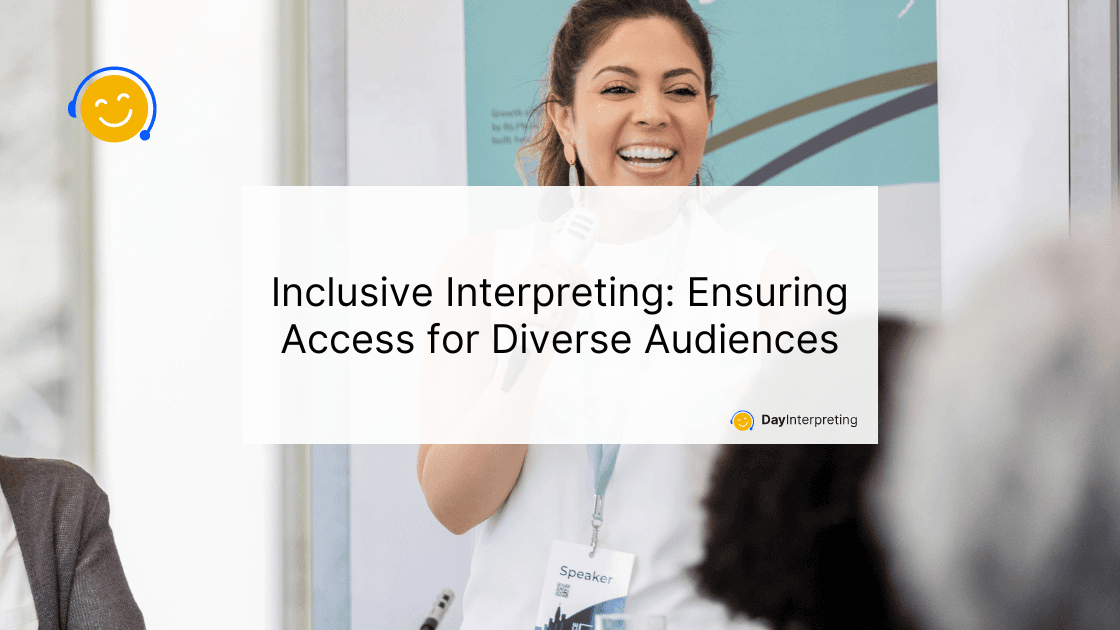
In today’s diverse and interconnected world, effective communication is key. Imagine a scenario where people from various backgrounds, languages, and abilities come together – how can they understand and connect? This is where inclusive interpreting plays a crucial role, ensuring that everyone, regardless of their linguistic or cultural background, can access and engage with information. In this article, we’ll delve into the importance of inclusive interpreting, the challenges it addresses, and how it contributes to fostering a more inclusive society.
Understanding Inclusive Interpreting
Inclusive interpreting goes beyond simply translating words. It is a comprehensive approach that aims to bridge communication gaps and promote understanding among people who speak different languages or have diverse cultural backgrounds. The primary goal is to make information accessible, creating an inclusive environment where everyone can participate and contribute.
The Challenges of Language and Cultural Barriers
Language barriers can be a significant challenge in a world with over 7,000 languages spoken. Imagine attending a conference or a medical appointment in a foreign country where you don’t speak the language – how would you comprehend important information? Inclusive interpreting breaks down these language barriers, ensuring that everyone, regardless of their native language, can fully grasp the meaning behind the spoken words.
Cultural differences can also pose hurdles to effective communication. Inclusive interpreting takes into account cultural nuances, idioms, and expressions, preventing misunderstandings and promoting a more accurate exchange of ideas. This approach recognizes that language is not just about words; it’s about conveying cultural context and meaning.
Types of Inclusive Interpreting
Simultaneous Interpreting
In this method, the interpreter translates the spoken words in real-time. This is commonly used in conferences, live events, and international gatherings to ensure seamless communication.
Consecutive Interpreting
Here, the speaker pauses to allow the interpreter to convey the message. This method is often used in smaller settings like meetings, interviews, or one-on-one interactions.
Sign Language Interpreting
For individuals with hearing impairments, sign language interpreting is crucial. It involves translating spoken language into sign language and vice versa, ensuring deaf or hard-of-hearing individuals have equal access to information.
Community Interpreting
This type focuses on facilitating communication in everyday situations, such as doctor’s appointments, legal proceedings, or social services, ensuring that individuals with limited proficiency in the dominant language can access essential services.
Benefits of Inclusive Interpreting
Equal Access to Services
Inclusive interpreting ensures that individuals from diverse linguistic backgrounds can access services such as healthcare, education, and legal assistance without facing communication barriers.
Cultural Competence
By considering cultural nuances, inclusive interpreting promotes cultural competence, fostering mutual understanding and respect among different communities.
Enhanced Participation
Inclusive interpretation allows everyone to actively participate in discussions, contributing their unique perspectives and enriching the overall conversation.
Legal and Ethical Considerations
In many countries, providing inclusive interpreting services is a legal requirement. This ensures that everyone has fair and equal access to essential information and services.
Wrapping Up
Inclusive interpretation is a vital component of building an inclusive society. Breaking down language and cultural barriers ensures that everyone, regardless of their background or abilities, can actively participate in various aspects of life. As we continue to celebrate diversity, embracing inclusive interpretation practices becomes a crucial step toward creating a world where communication is accessible to all.

Written by
Seldean SmithSeldean is a multi-skilled content wizard that dedicates herself to writing content that goes beyond merely sparking interest in the audience.